Sunday, January 4, 2015

30 Tips for Creativity

Recently, we asked the readers what their tips for staying creative were. Sometimes creativity flows from the heavens, but other times, as we all know, it’s like drawing water from a stone. The following are the best tips you gave us.
1. Surround yourself with creative people. Hang out with writers, musicians, poets and artists. Often, just being in a creative environment will inspire you and refresh your creative mind.
2. Start somewhere. If you create a load of crap for a few pages, whether it’s creative writing in Word or sheet music, the brain loosens up and it’s easier to break through the barrier and come up with ideas.
3. Expose yourself. Not after too much vodka. Expose yourself to new art – books, music, paintings – all the time. If you’re a rocker, listen to funk. If you’re a crime writer, read fantasy. If you’re a productivity writer, read something about slacking off.
4. Develop a “morning ritual” that puts you in the zone – whether it’s stream-of-consciousness such as in tip 2, or a series of non-spectacular everyday actions in sequence that tell your brain it’s time to get in the zone. Perhaps you drink a coffee while watching the news before going for a morning walk – if you repeat the same actions before doing creative work for long enough, it eventually creates an association that tells the mind to get in a particular zone.
5. Use GTD techniques – free up your mind from the hassles of life by doing an info-dump so your head is clear enough to create instead of worry.
6. Never stop learning.
7. Imitate the real world – find beauty (or the ugly, depending on what inspires you) and try to extract the essence of it into your work. This may lead you to what you need to create, or it may just warm up the muse.
8. Drink too much coffee sometimes (one of my favorite submissions).
9. Do something new. Play chess. Read a book if you watch television and watch television if you read. Go outside. Sing in the shower.
10. Don’t be too precious about your work. Being inspired by ‘the muse’ is important, but if the doctor and the garbage man can do their jobs every day, then those in a creative line of work can too. Change your attitude towards your work.
11. Based on the theory that everything that can be created has been and creation is simply a process of combining existing ideas, consume information by the bucket load. The more you know, the more you can create from that knowledge.
12. Meet new people from different walks of life. Gain insight into their perspectives on life. Strike up a conversation on the bus.
13. Shut out the world. Instead of sucking in new information, sit quietly, go to sleep, or meditate. Stop thinking and clear your mind so that the clutter doesn’t get in the way of your thoughts.
14. Carry a camera with you and look for interesting things in your every day scenery. Hadn’t noticed that crack in the path before? Then it’ll do. Set a quota and force yourself to make it. Don’t go to new places to do this – force yourself to find new perspectives on old knowledge.
15. Creativity is a muscle. Exercise it daily – if you only need to create once a week, your muscles may have atrophied if you don’t do it just because you don’t have to.
16. Carry a notebook everywhere. Or a PDA.
17. Write down a list of ideas and draw random arrows between them. For instance, if you’re a blogger, write down everything in your Categories list and draw lines to connect unusual ideas. If you had the categories “Relationships” and “Management” and randomly connected them you’d have an interesting article idea to work with.
18. If you’re not on a tight deadline, walk away and do something completely unrelated. Don’t let yourself spend that time stressing about what you need to do.
19. Create a framework. As many writers have said, the blank page can be the biggest show-stopper. Instead of trying to rely on pure inspiration, set your topic or theme and start creating within confines. Think within the box you create for yourself.
20. Remove obstacles to creativity. That friend who calls to complain about their life can wait until you can afford to get stressed about their problems.
21. Don’t judge your ideas until you have plenty to judge. Don’t be embarrassed by yourself – just write them all down! Even if you start with “pink polka-dotted lizard.”
22. Keep a journal. It can get your mind working, and in a month, or a year, when you’ve gained some distance from what you’ve written it can give you new ideas.
23. Stop telling yourself you’re not creative. If you tell yourself not to come up with ideas, then you probably won’t – no matter how hard you try.
24. Don’t be a workaholic – take breaks. Your mind needs a chance to wind down so it doesn’t overheat and crash.
25. Experiment randomly. What does a flanger sound like on a vocal track? Like Lenny Kravitz, of course.
26. Treat creativity like an enemy in a strategy game; if one thing isn’t working, don’t keep trying until you give up. Try a new strategy. Run through the whole list, not just the first tip.
27. Choose a topic and write about it as wonderfully or badly as you possibly can. Then edit it as ruthlessly as a newspaper editor who has thousands of words to edit in the next hour and doesn’t care what gets lost in the process. At the end you might have something decent to use as a starting point.
28. Trash what you’re working on. Start again.
29. Exercise every day, before you sit down to be creative. If you exercise afterwards you’ll get the creative burst – just too late.
30. Spend time with your children. Or someone else’s.

20 Study Hacks to Improve Your Memory


We’ve scoured our brains and the internet for the best study hacks to help your brain remember information quicker and easier and ultimately help you do better in your exams.

1. Walk Before An Exam

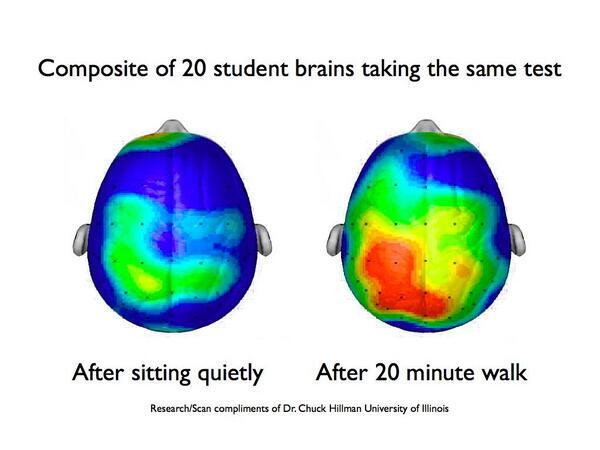
It’s been proven that exercise can boost your memory and brain power. Research conducted by Dr. Chuck Hillman of the University of Illinois provides evidence that about 20 minutes exercise before an exam can improve performance.
Study Hacks: Walk Before Exam

2. Speak Out Loud Instead of Simply Reading

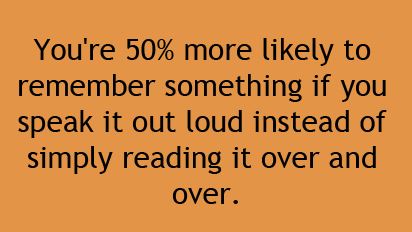
Although this may make you look a little crazy, give it a go! You will be surprised how much more you can remember when you’ve said it out loud. Warning: Don’t try this in a crowded library!
Study Hack: Speak Out Loud

3. Reward Yourself With A Treat

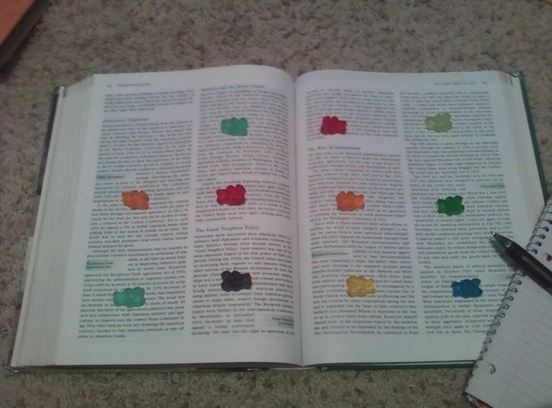
There are many ways to integrate a reward system into your study habits. Here’s a simple way to motivate yourself to study with Gummy Bears:
Study Hacks Reward System

4. Teach What You Have Learned

The best way to test if you really understand something is to try to teach it to someone else. If you can’t get anyone to listen to you explain the Pythagorean Theorem, why not teach a class of stuffed animals!
Study Hacks: Teach What You've Learned

5. Create Mental Associations

The ability to make connections is not only an easier way to remember information, but it’s the fuel of creativity and intelligence. Steve Jobs famously said “Creativity is just connecting things. When you ask creative people how they did something, they feel a little guilty because they didn’t really do it, they just saw something”.
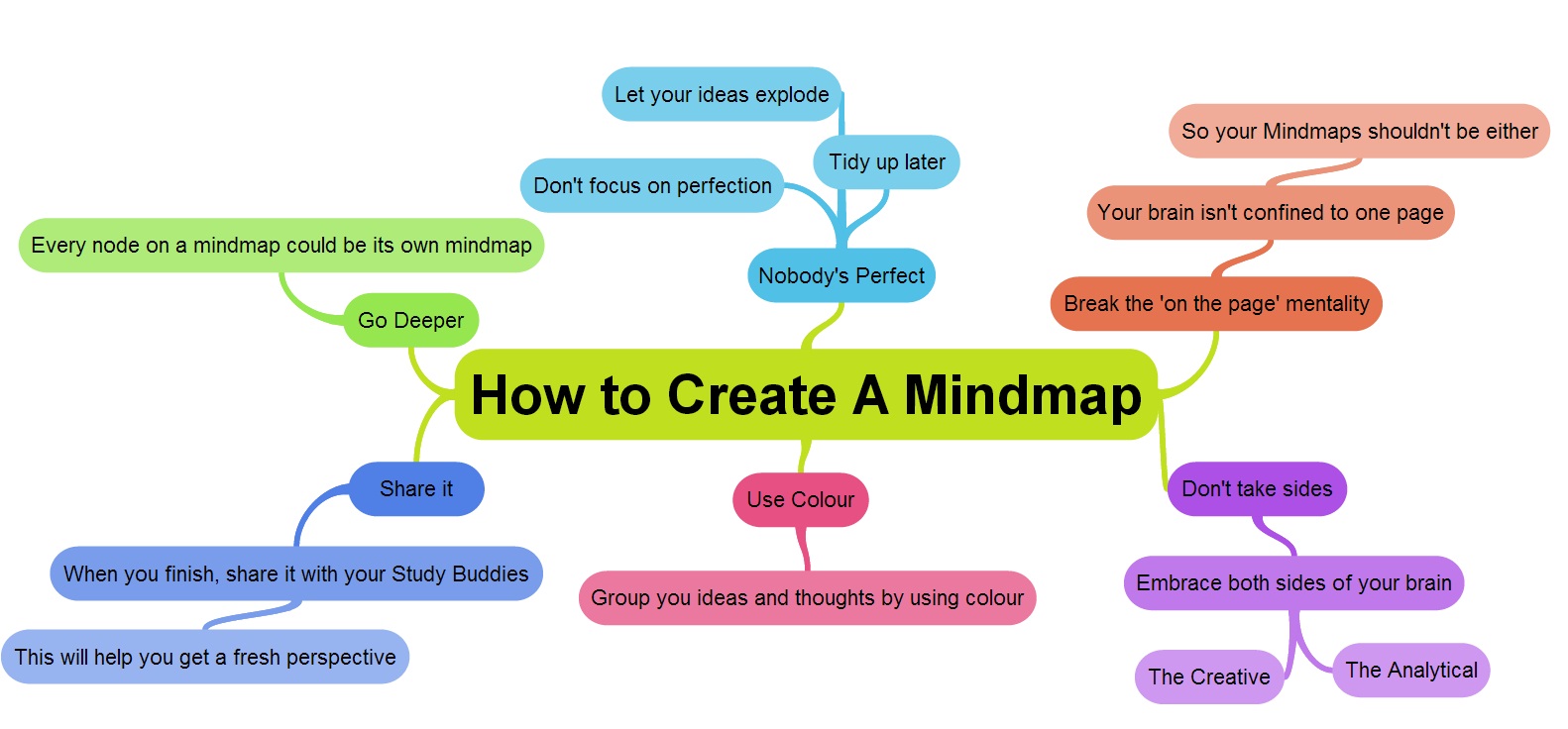
Mind Maps are an easy way to connect ideas by creating a visual overview of different connections. Read more about the benefits of using Mind Maps to learn here.
Study Hacks: Create Mental Associations

6. Draw Diagrams

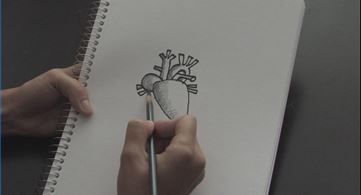
Drawing diagrams will help you to visualise information which would be hard to describe. This creates a visual memory in your mind which can be recalled in an exam. You may even be asked to draw or label diagrams such as the human heart in your exam so get practicing!
drawing the human heart

7. Times New Roman is the Fastest Font to Read

Simply put – there’s a reason why Times New Roman is the default font on most applications!
Study Hacks: Times New Roman Font

8. Use Apps to Block Distracting Sites

The SelfControl app helps you to avoid distractions by blocking websites for a certain amount of time. Discover more student apps to make student life easier in our blog post “12 Student Apps You Don’t Want to Miss!”.
Study Hacks: Student Apps

9. Watch a Documentary on the Topic

Documentaries are an entertaining way of compacting an entire story into a short timeframe. This will help you remember key details from a story plus you may even get extra credit for mentioning that you took the initiative and watched a film about the topic!
Check out the infographic in this blog post which helps you decide which documentary to watch.

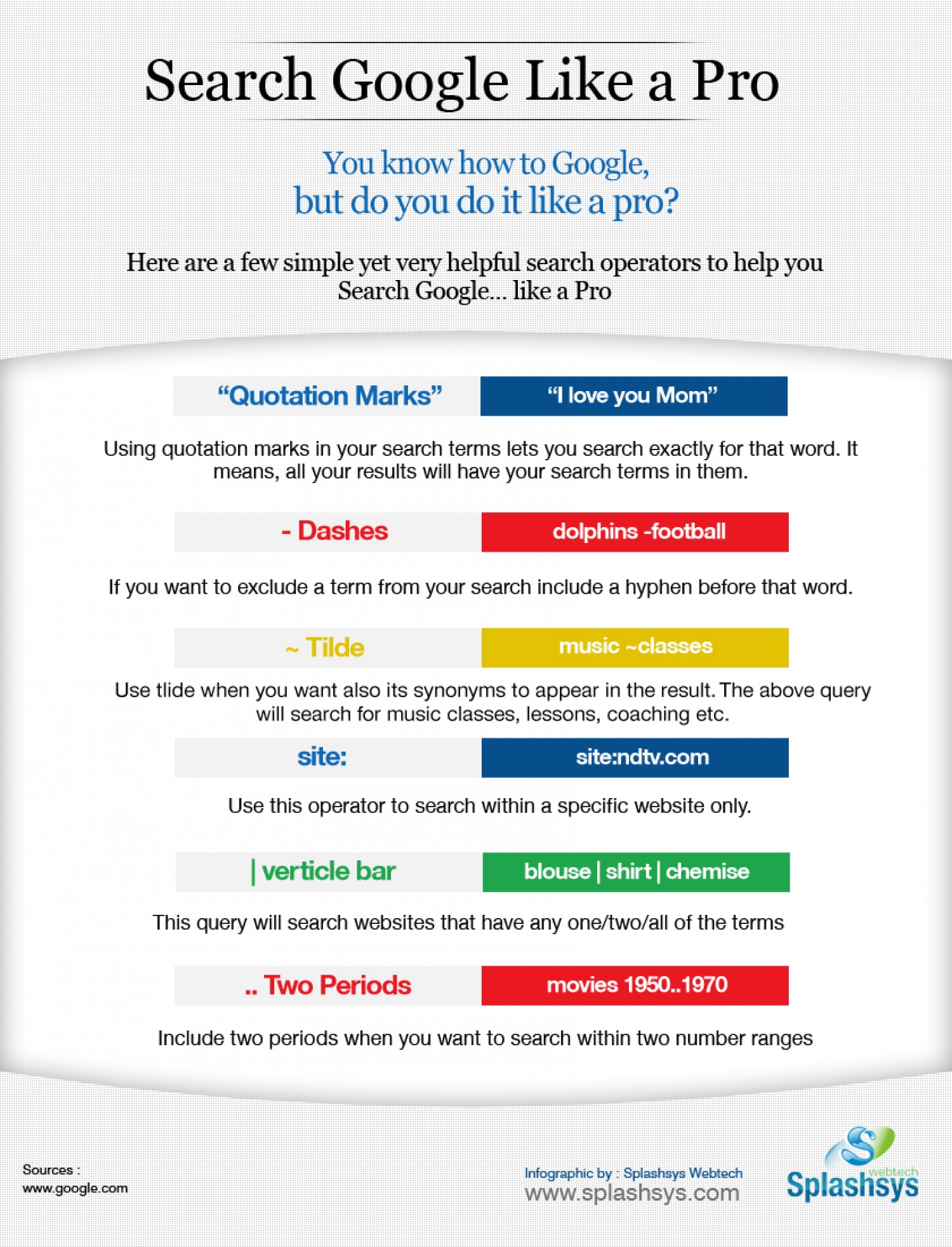
10. Search Google Like a Pro

Save time when researching sources online by mastering the biggest search engine in the world; Google. Follow the tips in this image to find what you need at your fingertips:
Study Hacks: Search Google Like a Pro

11. Create Flashcards for Quick Memory Buzz

Quickly test your knowledge of key concepts, definitions, quotes and formulas with flashcardsSign up to ExamTime now to create your first Flashcard deck like the one below now!

12. Take Regular Study Breaks

When your brain is working, you need to take regular study breaks to help your brain absorb more information but also to keep you motivated and focused when you are working. Take a short break after 45-50 minutes study as your focus and concentration will become impaired after this period, anything new after 1 hour 30 minutes does not get assimilated.
Study Hacks: Take Study Breaks

13. Listen to the Correct Type of Music

In our blog post “Music for Studying: 10 Tips to Pick the Best Study Music” we looked into the area of how the correct types of music can lead to more productive studying by elevating your mood. Have you made your Mozart Spotify playlist yet?
Study Hacks: Listen to Study Music

14. Make Your Study Space Portable

We may be creatures of habit with favourite seats in the library but information retention actually improves when you vary the places where you study. Check out this Buzzfeed video for more study hacks:

15. Practice, Practice, Practice…

Practicing sample answers to past exam questions can help train your brain to retrieve information. Create realistic, exam-like condition and test your understanding by using our new Quiz tool. Try our general Knowledge Quiz below:

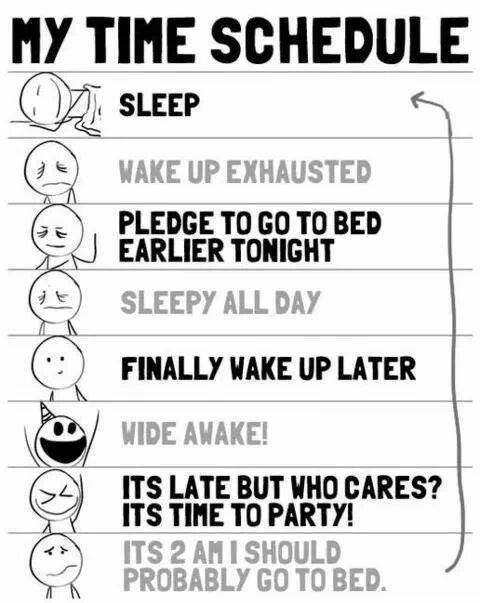
16. Don’t Stay Up All Night Before an Exam

Make sure to get adequate rest the nights leading up to your exams. When you sleep, your brain assimilates the information you have learned when studying so getting a good night’s sleep will help you remember those pesky maths formulas you need for your exam!
Don’t make this your sleep schedule:
Study Hacks: Sleep Schedule

17. Discover News Ways to Learn

Trying new methods of studying can help you find what really works for you. Use technology to your advantage by watching educational TED Talks or downloading useful dictionary apps for example. Read more about the benefits of using technology to study.

18. Use Scents or Gum to Jog Your Memory

This may seem a bit random but spraying an unfamiliar scent while you’re studying can help jog your memory when you spray it again just before an exam. Chewing a strange kind of gum will work the same way.
Study Hacks: Unfamilar Scents

19. Study in a Group

Studying in a group can help you collect new insights to enhance your learning experience. The ExamTime Groups tool is an innovative spin on the traditional study group formula. Our Groups tool helps you share resources, discuss ideas and interact with members of your team or group project. Sign up here to get started!
study hacks study in a group

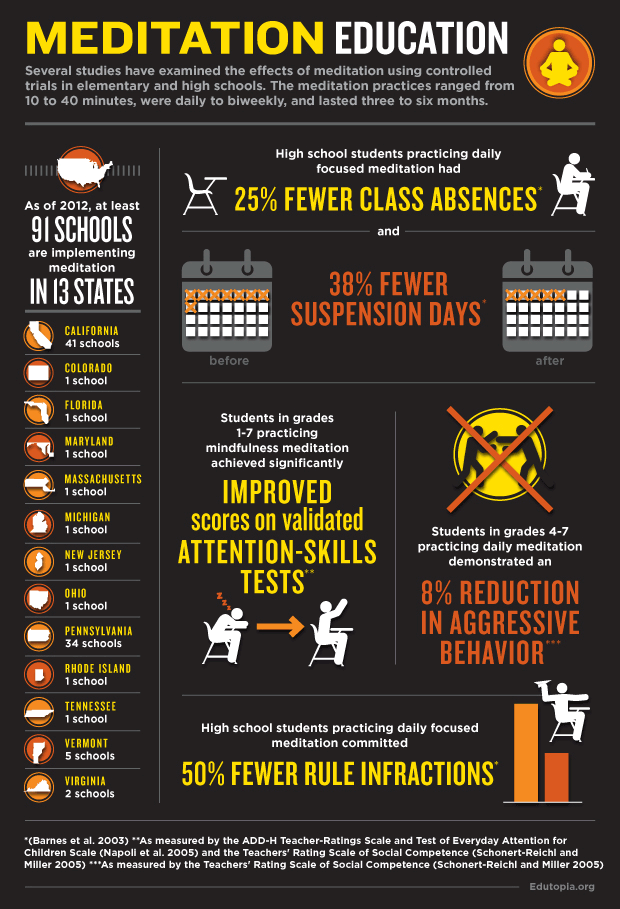
20. Meditate

Studies say that meditation can help students stay focused when studying. Not only will meditation help you concentrate when studying but it will help reduce pre-exam stress as it improves both mental and physical health.
Check out this Meditation Education infographic on Edutopia which details the educational benefits of meditating:
Study Hacks: Meditation
Our final piece of advice for those of you sitting exams is to stay positive. It’s amazing how a positive attitude can impact on your exam results or motivate you to complete that assignment when all you want to do is go to bed!
Got any other study hacks? Let us know if any other study hacks have worked for you in the comments section below.

Student Guide: Top Tips & Tricks to Study Better

Student Guide 2014Want to get the best advice to achieve your study goals? Download the Ultimate Study Guide for 2014 to develop their learning goals, avoid procrastination and much more – it’s completely free to download.
It’s crammed full of proven study methods. Check out the Student Guide here.

Comments

ExamTime

About the ExamTime Blog

Our blog is part of ExamTime, a Free Website for Creating, Sharing & Discovering Learning Resources that help students and teachers achieve their learning objectives. Click here to start discovering Mind MapsFlashcardsNotes & Quizzesnow!

Learning Tips for Students

This is a guest post by gtdfrk of the “Getting Things Done – My experiences with using GTD” blog.
If only I had known a little bit more about accelerated and effective learning when I was still astudent myself! That would have saved me a lot of frustration and, most of all, precious time.
Fortunately, learning and learning to learn well, will always be one of the most valuable skills in your personal and professional life. My point is to start building these skills as soon as possible, preferably when you are still a student.
Fast and effective learning is a skill for life and I could talk about it for days. However, to get youstarted I will give you 5 powerful tips on how to learn more, how to learn well and how to learn effectively.
1. The foundation: a productivity system
Let’s face it, without a solid foundation there is no way you can expect to build new skills and form new habits. My first tip therefore is to adopt a productivity system (like GTD). You need to develop the habit of consistent and effective note-taking, you need to have a clean, uncluttered desk to study at, you need a system for storing reference material and tracking your (learning) projects. I strongly suggest following this important tip, because it will make everything else (including learning) more efficient and effective. Speaking from my own experience: GTD by David Allen has provided this much needed foundation in my life. Read more here: 10 Simple Tips to Start Getting Things Done.
BLABLA
2. Speedreading
You probably need or want to read a lot of offline and online material as well. But you only have so much time to do it. This is where my second tip comes in. Practice speedreading to read smarter and faster, while improving your comprehension! I have written about speedreading extensively but it boils down to: get to “know” the material you’re about to read, decide which parts of it you are going to read, and when you are actually reading: keep your eyes moving at a steady, perhaps increasing, pace without stopping at every word and definitely without ever rereading a single phrase. These tricks alone should double your reading speed very soon.

3. Think and work on paper
There is no question that pen and paper are the most underrated productivity and learning tools around. My advice is to always think and work on paper. It will get things off your mind and make room for more creative thinking. Use your own shorthand and notational system to highlight important facts and actions in the material you’re learning. Condense, memorize and review the material you’ve learned by creating mindmaps. Forget about trusting your mind or your computer, think and work on paper to learn better and effectively.
4. Use multisensory techniques
This tip is all about discovering your preferred learning style and leveraging it to make learning more fun and more effective. You have to figure out for yourself if you are more of a visual learner, an auditory learner or a kinesthetic/tactile learner. Information will be absorbed by your brain much quicker and much more effective if you use your preferred learning style. To enhance your learning experience even further, combine your preferred learning style with the other ones. For instance, writing things down combines the visual and tactile learning styles. Reading things aloud to yourself combines the visual and auditory learning styles.
5. Allow your brain to absorb new stuff
Everybody has a certain learning rhythm. Some learn best in the early hours of the morning, others learn best late at night. Figure out which rhythm and time frame suits you best and use this to maximize your learning ability. However, you must frequently give your brain time to absorb the new stuff that you are learning. The best way is to “sleep on it” and the second best way is to take frequent breaks and do something completely different.
gtdfrk writes about GTD and Productivity on his “Getting Things Done – My experiences with using GTD” blog. He is also the creator of “The Ultimate Getting Things Done Index”, an indispensable resource for GTDers. Currently the main focus of his articles is GTD, but his broad interests include psychology, philosophy, self improvement, productivity and innovation.